Biohazard Cleanup
Contaminated materials removed, surfaces disinfected, odor treated and waste hauled away from your property.
Learn more →Iowa · Butler County
Unsure whether a mess counts as a biohazard in Aplington, IA? Call (877) 812-4220 and ask. Blood, human waste, decomposition, sharps and sewage all get full protective gear and hospital-grade disinfection.
If anyone is in danger, call 911 first. For a suicide crisis, call or text 988.
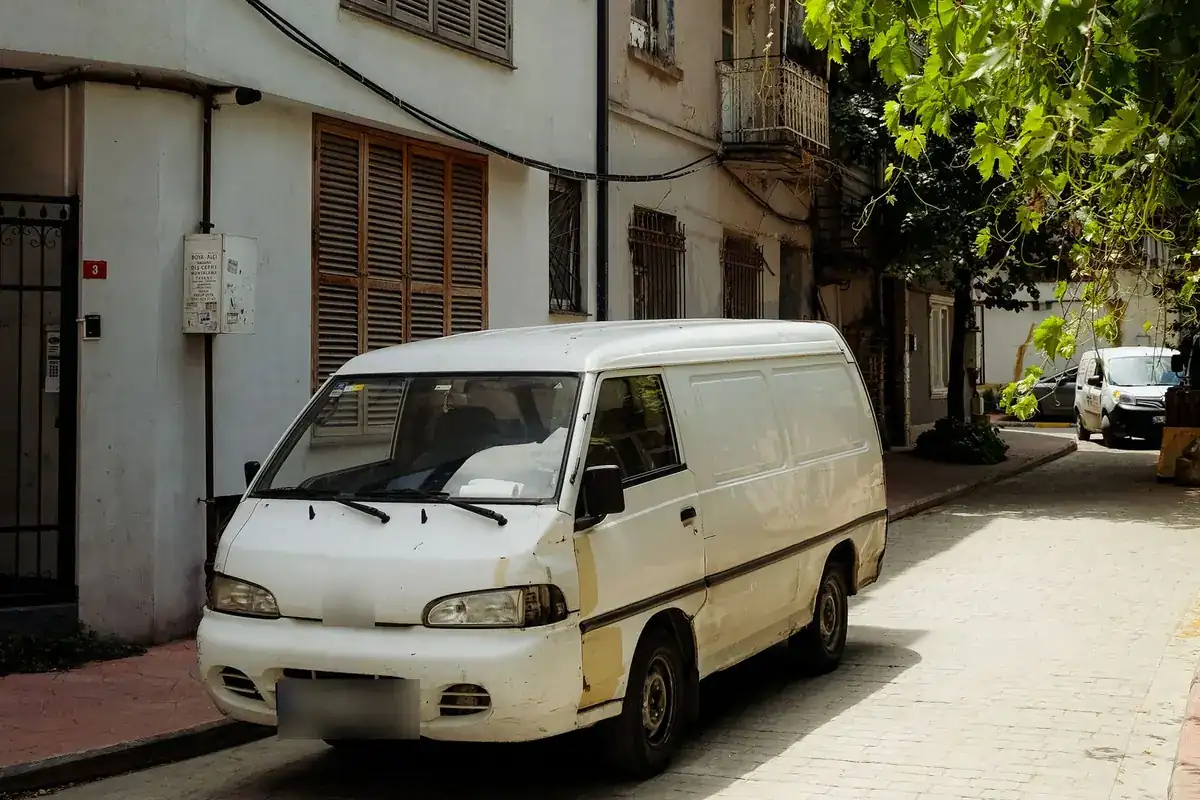
When a death, an assault or a sudden illness leaves blood or bodily fluids behind, ordinary cleaning is not enough. Biohazard cleaning services in Aplington remove the contamination itself, not just the stain, and you can call Aplington Biohazard Cleanup Help to get started.
Discretion is part of the work. Vehicles are unmarked, the crew keeps its voice down and nothing about the job is shared with neighbors. Coverage includes Aplington, Allison and the surrounding area of Butler County.
About 80% of homes in Aplington were built before 1980, and older carpet, subfloor and wood trim absorb fluids deeply. About 16% of homes in Butler County are rented, so many cleanups involve owners working directly with their own homeowners insurance company.
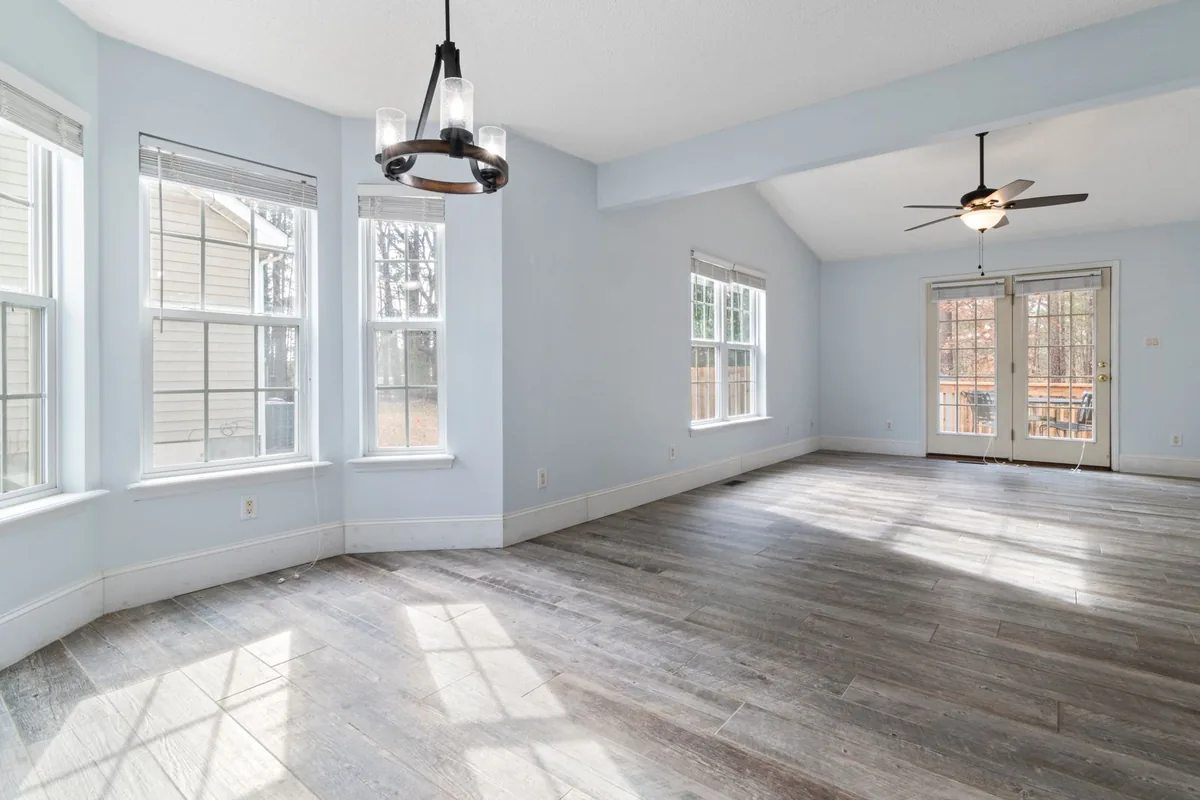
The rule on the wall of every serious crew is to treat all blood and bodily fluids as infectious. Under OSHA's Bloodborne Pathogens Standard (29 CFR 1910.1030), cleanup technicians use PPE and strict handling steps so germs stay out of the rest of the home and off the people doing the work.
Real decontamination reaches what the eye cannot see. Fluids travel under flooring and into baseboards, so crews check beneath and behind surfaces, remove affected materials and disinfect the exposed area before odor treatment begins.
Looking for something specific? Each card below is a separate biohazard cleanup service for Aplington, with its own page on process, safety and what to expect.
Contaminated materials removed, surfaces disinfected, odor treated and waste hauled away from your property.
Learn more →Discreet forensic cleaning for homes, rentals, businesses and vehicles, with odor removal and waste disposal.
Learn more →Trauma and crime scene cleanup for homes, workplaces and vehicles, handled privately with protective gear.
Learn more →Removal of soaked materials, safe waste hauling and deodorizing after a delayed discovery.
Learn more →Professional suicide cleaning services that spare relatives and landlords from the hardest part.
Learn more →Respectful homicide cleaning that removes blood, bodily fluids and odor after investigators release the scene.
Learn more →Blood clean up service with protective gear, EPA-registered disinfectants and sealed disposal of contaminated waste.
Learn more →Commercial feces cleanup and body fluid cleaning for restrooms, shops, schools and care sites.
Learn more →Waste cleanup after neglect, illness or a long absence, handled privately and without judgment.
Learn more →Removes soaked materials, disinfects and neutralizes odor in homes, rentals and vehicles.
Learn more →Safe pathways, careful sorting and deep cleaning for homes with heavy buildup of belongings.
Learn more →Hoarding cleanouts for estates, sales and rentals, done carefully and without judgment.
Learn more →Respectful animal hoarder cleanup for owners, landlords and families, done step by step.
Learn more →Respectful squalor cleaning for owners, landlords and families, step by step.
Learn more →Sewage restoration that clears contamination and odor so repairs can safely begin.
Learn more →COVID-19 cleanup and coronavirus disinfection of high-touch surfaces, bedrooms, bathrooms and shared rooms.
Learn more →Surfaces cleaned, disinfected and checked so a contaminated room or vehicle is safe to use again.
Learn more →Local biohazard disposal services, from one sharps container to rooms of contaminated medical supplies.
Learn more →Sharps cleanup with protective gear, puncture-resistant containers and proper medical waste disposal.
Learn more →Cleanup after police release: items, residue and soiled materials handled without judgment.
Learn more →Testing, removal, cleaning and retesting for properties where meth was made or heavily used.
Learn more →Found unknown powder? A cleanup team contains the area, cleans surfaces and hauls waste safely.
Learn more →Safe removal of solvents, fuels, pesticides, mercury and unlabeled containers from homes and businesses.
Learn more →Hazmat cleaning for pavement, soil, buildings and equipment, with protective gear and lawful waste disposal.
Learn more →Tear gas cleanup for homes, shops and vehicles, with testing, containment and a final check.
Learn more →Safe wet-clean removal of mouse and rat droppings, nests and soiled insulation from attics and crawl spaces.
Learn more →Histoplasmosis-aware cleanup with respirators, HEPA filtration and sealed disposal of guano.
Learn more →Dead animal odor removal that targets the source of the smell, not just the air.
Learn more →Biohazard car cleaning for blood, vomit and body fluids, with disinfection and safe waste disposal.
Learn more →Injury scene cleaners remove soaked materials, treat odor and prepare records for employers and insurers.
Learn more →Commercial cleaning crews disinfect offices, shops, plants and rentals after injuries, deaths and backups.
Learn more →Sorting, removal and cleaning of a loved one's home, with keepsakes set aside for the family.
Learn more →The first step is deciding what is unsafe and how far the contamination goes. Hazards such as sharps, broken glass or sewage are noted before anyone starts.
Plastic sheeting, floor protection and air filtration go up before anything is moved. Protective gear goes on before the crew goes in.
Crews in protective gear remove contaminated materials, clean every surface and disinfect with EPA-registered products. Waste is sealed and carried out as regulated medical waste.
Hydroxyl, ozone or HEPA air treatment removes lingering odor. The crew walks the property one last time before calling the job complete.
Blood, decomposition, sewage, sharps, hoarding, drug residue and infectious disease all fall under one call, with the right method for each.
Cleanup technicians know families may be grieving. They keep conversations short, kind and free of judgment, and they treat belongings with care.
OSHA bloodborne pathogen protocols, full PPE, EPA-registered disinfectants and lawful biohazard waste disposal on every job.
Photos, documents, jewelry and keepsakes are set aside for the family whenever they can be safely saved.
Biohazard cleanup in Aplington, IA typically costs $500 to $25,000, depending on the type of biohazard, the size of the affected area and how far fluids soaked into porous materials.
Most residential jobs cost $3,000 to $5,000 (Fixr). Ask what is included before agreeing to anything: removal, disinfection, odor control, waste disposal and paperwork. A clear scope helps the family, the landlord and the insurance company agree on the cost.
| Type of job | Typical range |
|---|---|
| Blood spill cleanup, small area | $500 - $2,500 |
| Crime scene cleanup, most homes | $1,500 - $7,500 |
| Unattended death cleanup | $2,000 - $7,000 |
| Suicide cleanup | $1,500 - $5,500 |
| Sewage cleanup, most homes | $2,000 - $10,000 |
| Hoarding cleanup, level 3 home | $2,000 - $5,000 |
| Meth lab cleanup, typical | $15,000 - $20,000 |
Estimates only, not a quote. Sources: Fixr, Yelp Costs, BioCleaners Directory, PushLeads, Dropcurb, Bob Vila and cleanup company cost guides. Call (877) 812-4220 to talk through the job.
Families should never have to clean up after a suicide. Discreet suicide cleanup removes all traces with care and respect. Crisis support is available any time at 988.
Homes, churches and businesses may need infectious disease disinfection, needle and sharps cleanup, or meth lab and fentanyl decontamination after a property is released.
An average July high of 83 degrees in Aplington speeds up decomposition after a death. The sooner the scene is released and cleaned, the less the odor and fluids spread.
When a death goes unnoticed for days, decomposition fluids reach flooring and subfloor and the odor spreads. Death cleanup removes the affected materials and treats the odor at the source.
Attics, barns and sheds can hold droppings, guano and carcasses that carry disease. Careful removal and disinfection protect the people who go back in.
Butler County has a Relatively Low river flood risk rating from FEMA. Floodwater mixes with sewage, and anything it touches needs full biohazard cleaning, not just drying.
Health risks vary by material. Blood and bodily fluids bring bloodborne pathogens, decomposition brings bacteria and odor, and waste and residue bring their own dangers. Job size then sets the scale of the response.
The cost depends on the type of contamination, the size of the area, how many porous materials must be removed, odor treatment and waste disposal. A small spill costs far less than an unattended death or a hoarded home. The cleanup team explains the cost range after hearing the details.
A cleanout of belongings can take from a day to several weeks depending on how much is in the home. If a death left biohazards, the biohazard cleanup comes first, and sorting or hauling follows once the area is safe.
Regular cleaning removes dirt. Biohazard cleanup removes infectious material and reaches under and behind surfaces, using PPE, containment, EPA-registered disinfectants and regulated waste disposal. It follows safety rules that ordinary cleaning does not.
Biohazard cleaning is the safe removal of infectious or contaminated material and the disinfection of whatever it touched. Crews wear protective equipment, remove porous materials that cannot be made safe, and dispose of the waste under medical waste rules. It goes far beyond ordinary housecleaning.
Yes. You can expect unmarked vehicles, quiet work and no discussion of the job with neighbors. Family members are not asked to see or handle anything.
Call 911 if anyone is in danger. Keep everyone out of the affected area, do not clean anything, and wait for law enforcement to release the scene. Then call your insurance company and a biohazard cleaning company to plan the cleanup.
They can. About 80% of homes in Aplington were built before 1980, and older carpet, subfloor and trim absorb fluids deeply. The crew inspects each home to see how far the contamination went.
Yes. Vacant properties, at 11% of housing in Butler County, can collect animal waste, drug paraphernalia, sewage and storm damage. Owners should treat what they find as a hazard and call for cleanup instead of clearing it themselves.
Nearby towns such as Parkersburg and Ackley are part of the Aplington service area. Property owners in Butler County can call (877) 812-4220 for biohazard removal at any hour.
Describe what happened, and the cleanup team will explain the next steps.
Call (877) 812-4220